Simulations02 plates
Machines that work, built to be taken apart.
Each one runs on its own physics in your browser, from the water in a mill’s buckets to the energy budget of a 2026 Formula 1 car. Open one and change something. It answers the way the real thing would.
Index
02 plates Field & subject-
Ferrari SF-26
Vehicle dynamics
Formula 1, 2026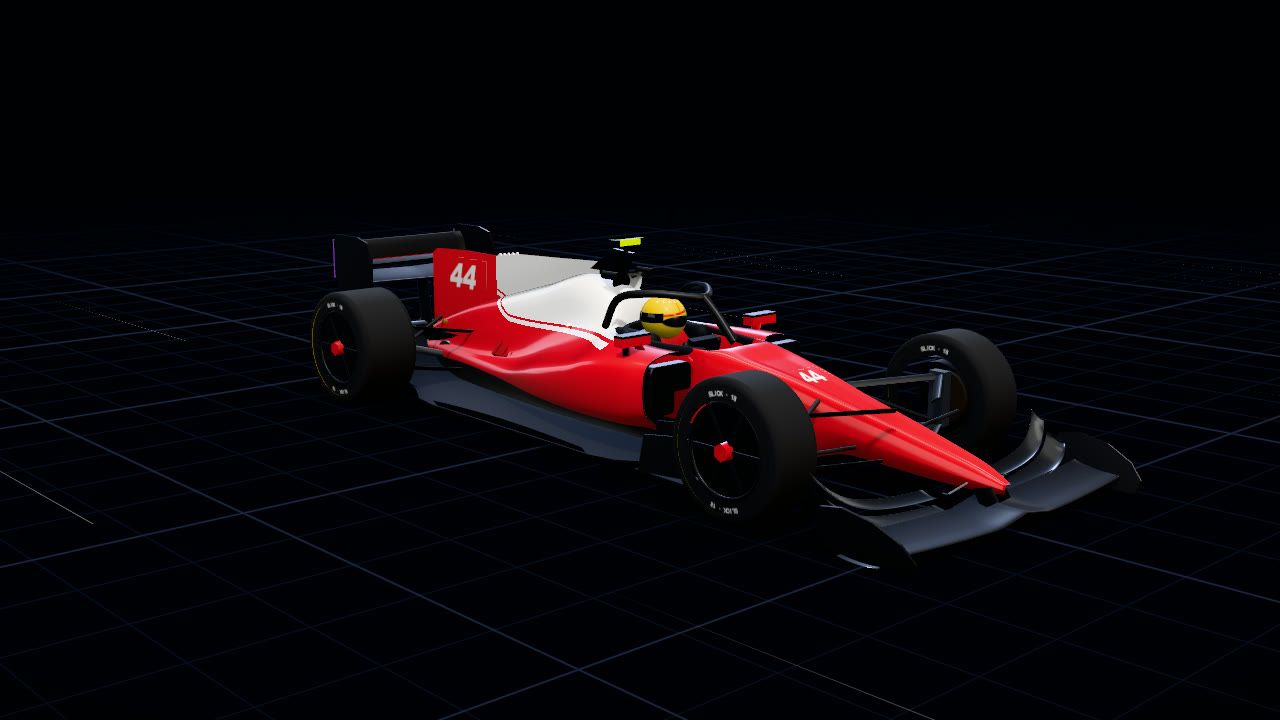
Lewis Hamilton's 2026 Ferrari, built from the launch photos and the new rules. Its wings move, its top rear flap turns upside down on the straights, and it laps eleven real circuits.
Fig. 1 Speed, Silverstone, simulated qualifying lap. Computed from the simulation when this page was built. - Lap
- 1:27.868
- Pole 2026
- 1:28.111
- Top
- 328 km/h
-
Overshot Gristmill
Hydraulics & mechanism
A working watermill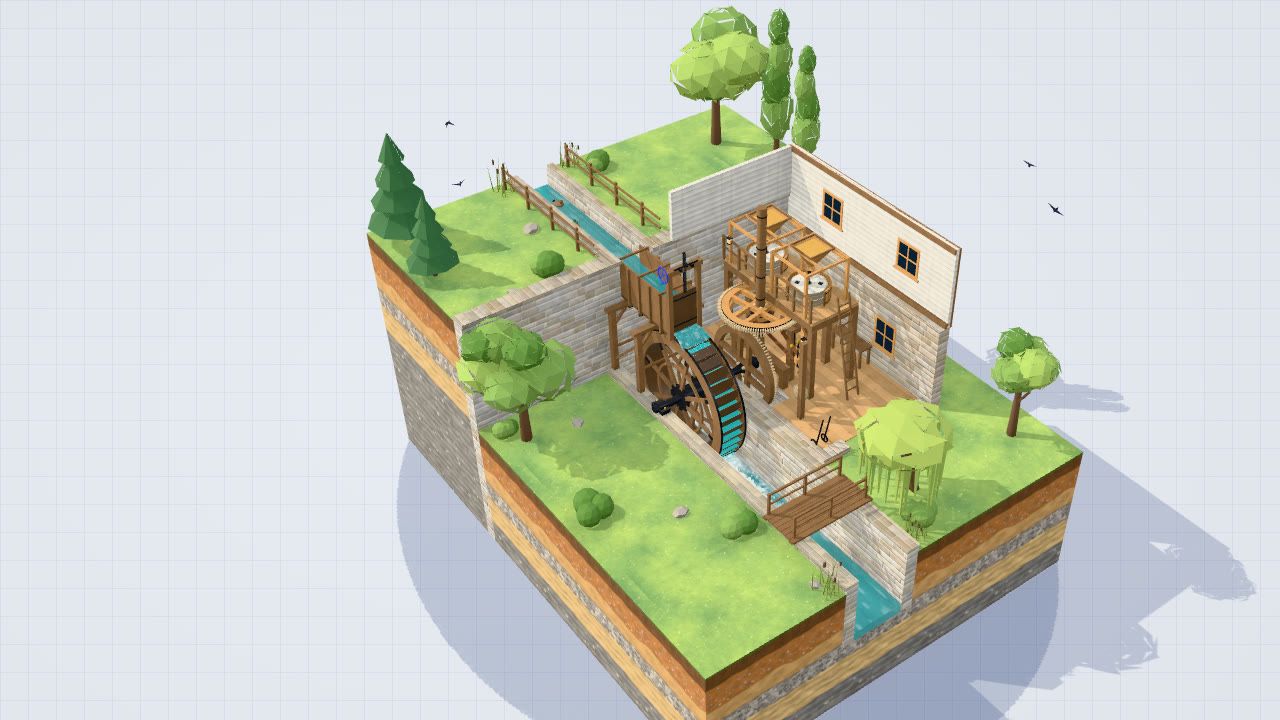
Water falls into 36 buckets, its weight turns a 4.8 metre wheel, and an 18 to 1 gear train drives the millstones. Open the sluice and the whole mill answers.
Fig. 2 Runner stone speed, spinning up from rest. Computed from the simulation when this page was built. - Wheel
- 6.8 rpm
- Stones
- 122 rpm
- Efficiency
- 68 %


Method
i. Every model starts from published sources: rule books, launch photographs, engineering drawings, patents. Nothing is invented where a real number exists.
ii. The physics runs live. The mill tracks the water in each of its 36 buckets. The Ferrari laps real racing lines under the 2026 energy rules.
iii. Then it is checked against the world. The SF-26 was fitted on four circuits and tested on seven it never saw, and the misses are published in the model, not hidden.